

 | ||
|
| ||


Cords & Ropes
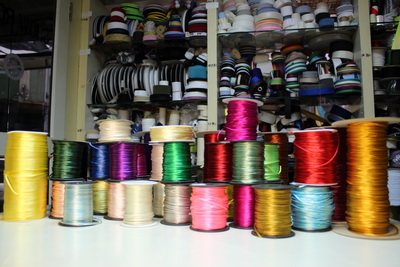
Product Name : Nylon Cord
| Description |
| Nylon Cord is made from nylon yarn and is commonly selected for applications requiring flexibility, abrasion resistance and controlled stretch. Its ability to accommodate repeated movement and short-term loading makes it suitable for both general textile applications and more demanding assembled products. Cord performance depends not only on diameter, but also on yarn size, yarn count, braiding density and overall construction. Braided, twisted, round, flat, core and coreless structures can provide different levels of flexibility, hand feel, elongation and tensile performance. Typical applications include apparel drawcords, footwear, bags, outdoor products, sewn assemblies, industrial textile components and automotive interior applications. For load-sensitive or repeated-motion applications, diameter alone should not be used as the final performance criterion. Fu Jyi Lin can evaluate custom diameters, constructions, yarn specifications, colors, end finishing and sewing or assembly requirements. For industrial, automotive or load-sensitive projects, sample development and performance testing are recommended before mass production. |
 Features
 |
||
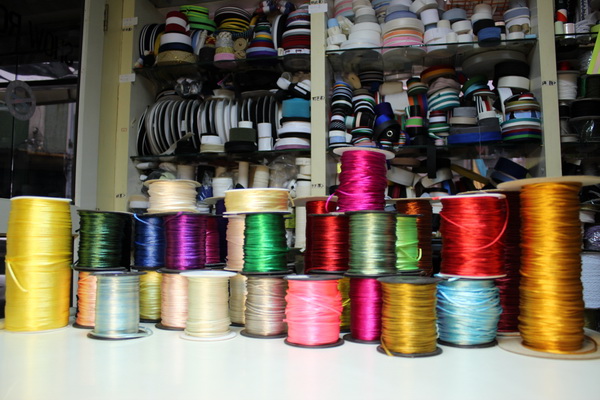
Nylon Cord |
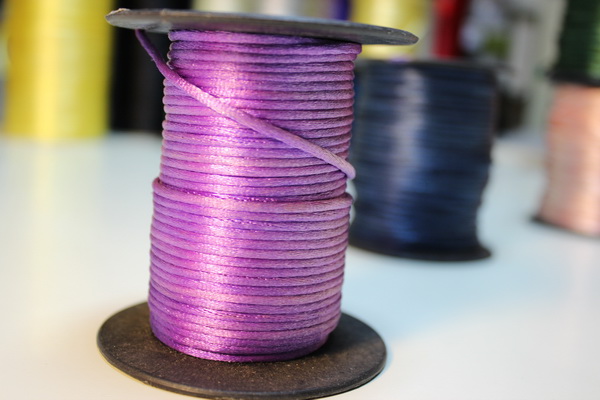
Nylon Cord |
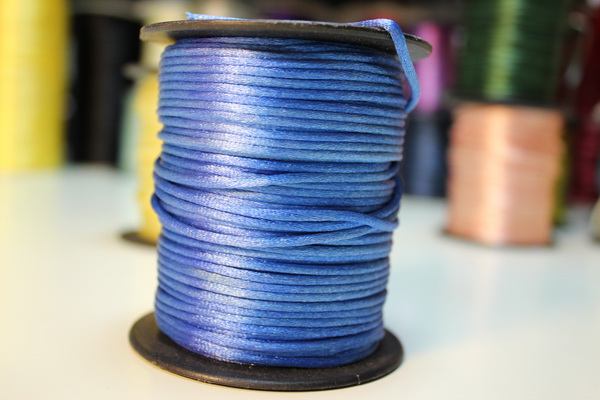
Nylon Cord |
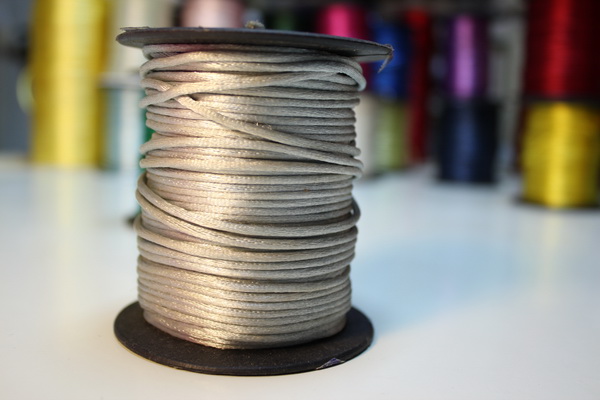
Nylon Cord |
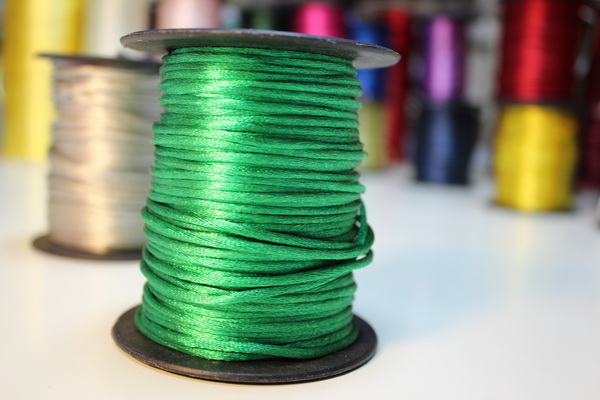
Nylon Cord |
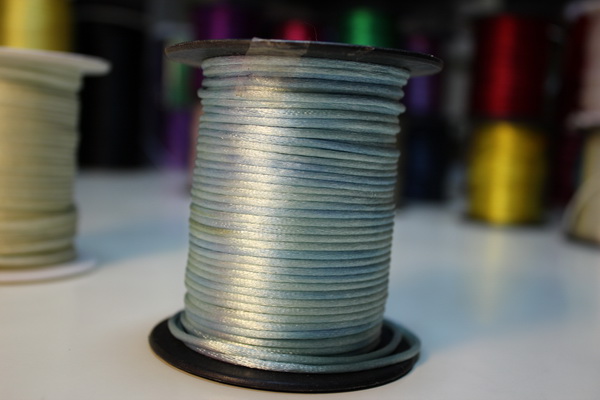
Nylon Cord |
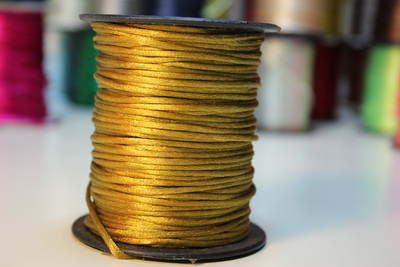
Nylon Rope Cord |
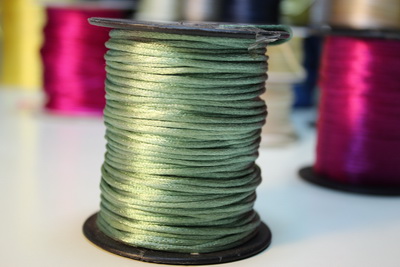
Nylon Rope Cord |
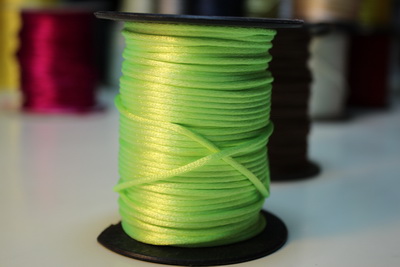
Nylon Rope Cord |
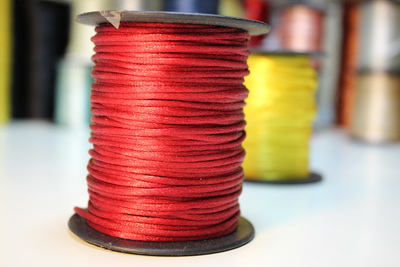
Nylon Rope Cord |
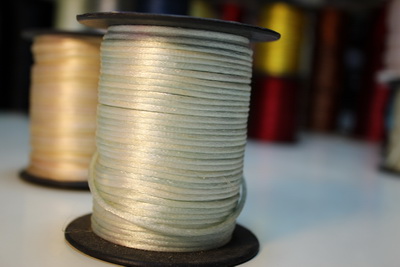
Nylon Rope Cord |
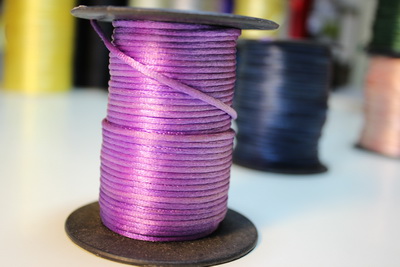
Nylon Rope Cord |
|
Specification |
|
Product Name:Nylon Cord **Material / Yarn Options** Nylon 6, Nylon 66, nylon filament yarn, high-tenacity nylon yarn and nylon multifilament yarn may be evaluated according to application requirements. Yarn type, yarn size and filament construction can affect tensile strength, elongation, abrasion resistance and flexibility. **Cord Construction** Available constructions may include braided cord, solid braided cord, twisted cord, round cord, flat cord, cord with core and coreless cord. Cord construction directly affects flexibility, stretch, surface feel and tensile performance. **Diameter / Width** **Round Cord:** Common diameters include 2, 2.5, 3, 4, 5 and 6 mm. **Flat Cord:** Common widths are approximately 2–10 mm, depending on construction. Other diameters, widths and thicknesses can be evaluated according to production feasibility and end-use requirements. **Typical Breaking Strength Reference** General market references for braided nylon cord may range approximately as follows: **2 mm: 140–160 kg; 2.5 mm: 150–210 kg; 3 mm: 190–315 kg; 4 mm: 300–490 kg; 5 mm: 370–580 kg; 6 mm: 440–750 kg.** These figures are market references only and do not represent Fu Jyi Lin guaranteed specifications or safe working loads. Final tensile performance must be confirmed by actual cord construction and testing. **Colors** Standard colors and custom dyeing are available. Custom colors can be developed based on a Pantone reference or physical color sample. Reasonable shade variation may occur due to yarn type, cord construction and dye lot; sample approval is recommended before mass production. **Surface & Functional Finishing** Available options may include printing, coating, reflective treatment, water-repellent, stain-resistant, anti-mildew, flame-retardant, antibacterial, softening and silicone anti-slip finishing. Final feasibility depends on cord construction, diameter and application requirements. Finishing processes may affect flexibility, elongation, surface friction and tensile performance. **Cutting, End Finishing & Sewing** Fixed-length cutting, hot cutting, cold cutting, heat-shrink tubing, plastic tips, metal tips and other custom end-finishing options can be evaluated. Sewing and assembly options may also be developed according to cord diameter, material combination, attachment method and load requirements. **Packaging** Common roll lengths vary by diameter. As a general reference, **2–3 mm cord is commonly supplied at approximately 200 m/roll; 4–5 mm cord at approximately 100–200 m/roll; and 6 mm cord at approximately 100 m/roll.** Actual roll length may vary by yarn type, construction and unit weight. Custom roll lengths, bundling, bulk packing, labeling and other packaging options can be evaluated upon request. **MOQ** **3,000 yd (approx. 2,743 m) per size, per color.** Special yarns, custom constructions, functional finishing or special packaging may require separate MOQ confirmation. **Applications** Suitable for apparel drawcords, shoelaces, bags, outdoor products, decorative accessories and other textile applications. Nylon Cord may also be developed for sewn assemblies, industrial textile components, equipment-related components, automotive seating, automotive interiors and automotive trim applications. **Specification Notes** The specifications listed on this page represent common Nylon Cord configurations and general market references intended to support product selection and RFQ preparation. Breaking-strength values shown above are general market references only. Actual tensile performance can vary significantly depending on yarn specification, yarn size, cord diameter, braiding density, cord construction, core design, end attachment method and finishing process. These values should not be interpreted as safe working loads. Final material, yarn specification, construction, dimensions, colors, finishing, tensile requirements, roll length, packaging and MOQ should be confirmed according to the actual product and project requirements. For industrial, automotive or other load-sensitive applications, sample development and performance testing are recommended before mass production. **Fu Jyi Lin reserves the right to adjust product specifications when necessary.** |
|
Asks Description |
|
Frequently Asked Questions (FAQ) 1. How should I select the right Nylon Cord for a specific load requirement? Cord diameter is only one part of the selection process. Final load performance is also influenced by yarn type, yarn size, yarn count, braiding density, core or coreless construction, end attachment method and any additional finishing. For projects with a defined load requirement, buyers should provide the target load, whether the load is static or dynamic, the required safety factor, expected movement or repeated loading, and the attachment method. Based on these conditions, the appropriate yarn specification, cord diameter and construction can be evaluated before sampling. 2. What is the difference between breaking strength and safe working load? Breaking strength is the load at which the cord fails during a controlled test. It should not be treated as the safe working load for the finished product. The actual working load must consider the required safety factor, dynamic loading, abrasion, repeated cycling, operating temperature, environmental exposure, knots, stitching, end attachments and the overall assembly structure. For industrial or load-sensitive applications, the safe working load should be established from the complete product design and relevant testing, rather than from cord breaking strength alone. 3. How does nylon elongation affect product performance? Nylon naturally provides more elongation than many other synthetic cord materials. This can be useful in applications that benefit from shock absorption, repeated movement or dynamic loading. However, higher elongation may not be desirable where dimensional stability, fixed positioning or limited stretch is required. Yarn specification, cord construction, diameter and braiding density should therefore be selected according to the required balance between flexibility, elongation and tensile performance. For applications with a specified elongation range, sample testing is recommended before production. 4. Can Nylon Cord be sewn into webbing, fabric or other textile assemblies? Yes, sewing and assembly can be evaluated according to the product design. Feasibility depends on cord diameter, round or flat construction, cord hardness, the base fabric or webbing, sewing thread, stitch pattern, reinforcement method, load direction and end fixation. Some products may be sewn directly, while others may require wrapping, folding, reinforcement webbing or additional fixation to improve assembly stability. The tensile strength of the Nylon Cord itself should not be treated as the load capacity of the finished sewn assembly. For load-bearing products, the completed assembly should be tested as a whole. 5. When should samples and performance testing be completed before mass production? Sample development is recommended for load-bearing applications, industrial assemblies, automotive components, repeated-motion products, custom sewing, special coatings, flame-retardant finishing, reflective treatment or custom end processing. Buyers should provide the intended application, target load, required elongation, dimensions, attachment method, operating environment and any specified test method or performance standard. A reference sample is also helpful when available. Samples can then be used to confirm cord construction, dimensions, finishing, sewing or assembly performance and relevant tensile or dimensional requirements before mass production. |
 |
Fu Jyi Lin Enterprise Co., Ltd. Copyright © 2014 |
| Address: 10071 No.17-1, SHAU ANN St., Zhongzheng Dist., Taipei City 100, Taiwan (R.O.C.)
TEL:886-2-2301-5900 , 886-2-2307-0952 FAX:886-2-2307-5424 , 886-2-2332-6930 E-Mail:info@fujyilin.com.tw |