

 | ||
|
| ||


Cords & Ropes
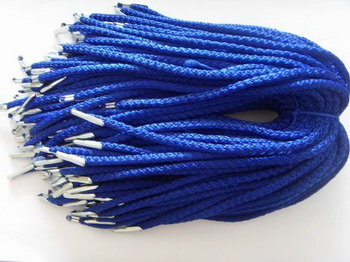
Product Name : Polyester Cord
| Description |
| Polyester Cord is made from polyester yarn and can be developed in round, flat, braided or twisted constructions for different textile and accessory applications. Its stable appearance and processing flexibility make it suitable for apparel, bags, packaging and other textile products. Different braiding, twisting and cord constructions can affect hand feel, flexibility, surface texture and final use. Braided, twisted, round, flat and other constructions may be selected according to the required function, appearance and assembly method. Typical applications include apparel drawcords, hoodie cords, shoelaces, bag handles, packaging cords, home textile accessories and decorative uses. Fu Jyi Lin can evaluate custom cord constructions, diameters or widths, colors, lengths, surface finishing, end treatments and packaging based on project requirements. |
 Features
 |
||
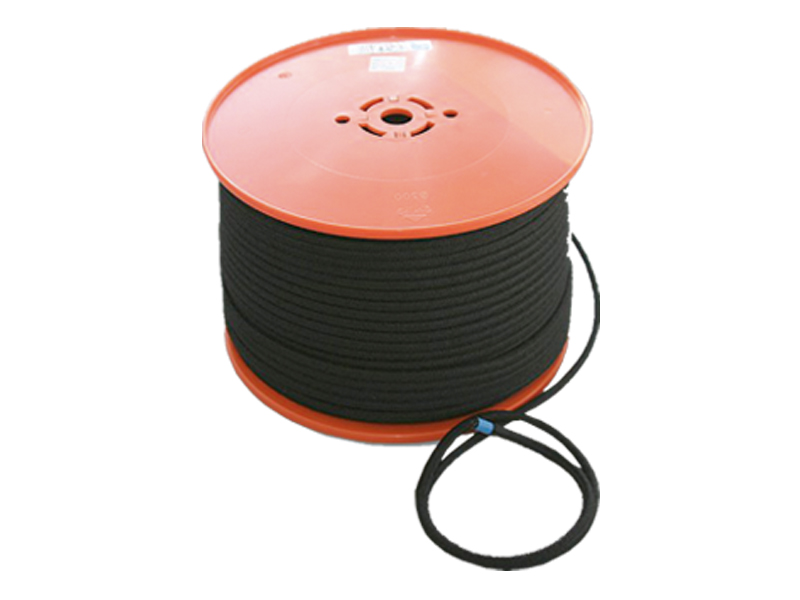
Polyester Cord |
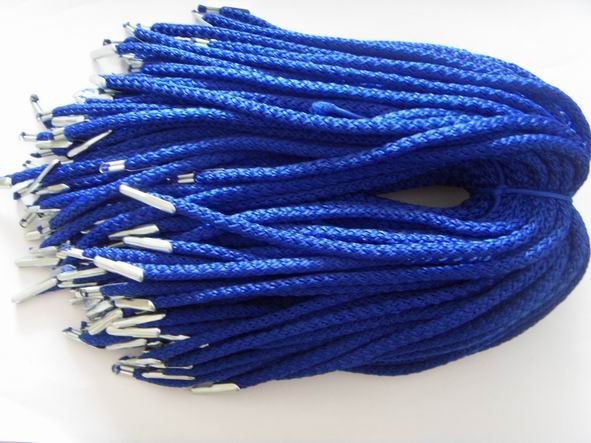
Polyester Cord |
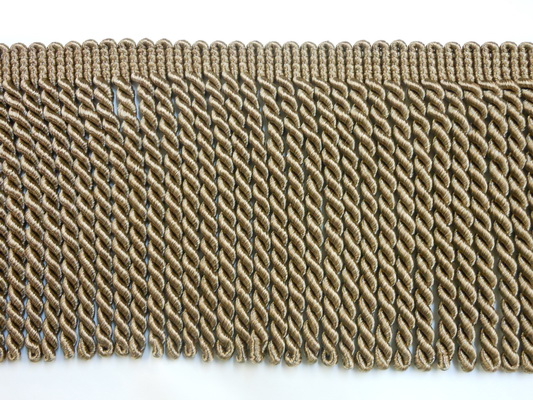
Polyester Cord |
|
Specification |
|
Product Name:Polyester Cord **Material** Polyester. Yarn specifications can be evaluated according to cord construction, end use and project requirements. **Cord Construction** Available in braided, twisted, round and flat constructions. Other custom constructions may be evaluated based on diameter, machinery and application requirements. **Diameter / Width** **Round Cord:** Common diameters include 2, 2.5, 3, 4, 5 and 6 mm. **Flat Cord:** Width varies by construction and project requirements. Other sizes are subject to production feasibility. **Colors** Standard colors and custom dyeing are available. Custom colors can be developed based on a Pantone reference or physical color sample. Reasonable shade variation may occur due to yarn, construction and dye lot; sample approval is recommended before mass production. **Surface & Functional Finishing** Available options may include printing, coating, reflective treatment, water-repellent, stain-resistant, anti-mildew, flame-retardant, antibacterial and softening finishes. Final feasibility depends on cord construction, size and end-use requirements. **Cutting & End Finishing** Fixed-length cutting, hot cutting, cold cutting, heat-shrink tubing, plastic tips, metal tips and other custom end-finishing options can be evaluated according to product requirements. **Packaging** **Standard Reference:** 100 m/roll for common 2–6 mm cord sizes. Actual roll length may vary by diameter, construction and unit weight. Custom roll lengths, bundling, bulk packing, labeling and other packaging options are available upon request. **MOQ** **3,000 yd (approx. 2,743 m) minimum.** MOQ may vary for special diameters, constructions, colors, finishing processes or packaging requirements. **Applications** Apparel drawcords, hoodie cords, shoelaces, bag cords, packaging cords, home textile accessories and decorative applications. Polyester Cord may also be developed for industrial textile uses, product securing, equipment accessories, automotive seating, automotive interiors and automotive trim applications. *Specification Notes* The specifications listed on this page represent common Polyester Cord configurations and market application references. Some diameter and roll-length information is provided as a general market reference and may not apply to every cord construction. Final material, construction, dimensions, colors, finishing methods, roll length, packaging and MOQ should be confirmed according to the actual product and project requirements. For automotive, industrial or other performance-sensitive applications, buyers are recommended to provide operating conditions, performance requirements and relevant testing criteria before sample development or mass production. **Fu Jyi Lin reserves the right to adjust product specifications when necessary.** |
|
Asks Description |
|
Frequently Asked Questions (FAQ) 1. What surface and functional finishing options are available for Polyester Cord? Polyester Cord can be evaluated for a range of surface and functional finishing options, including printing, coating, reflective treatment, water-repellent, stain-resistant, anti-mildew, flame-retardant, antibacterial and softening finishes. Additional processing may include fixed-length cutting, hot cutting, cold cutting, heat-shrink tubing, plastic tips, metal tips and other custom end-finishing methods. Not every finishing process is suitable for every cord diameter or construction. Final feasibility should be confirmed according to yarn type, cord structure, size, end use and required performance. 2. How should load and tensile requirements be specified? Load capacity should not be determined by cord diameter alone. Actual tensile performance can be affected by yarn specification, cord diameter, braiding density, cord construction, core design, end attachment method and any additional finishing process. For projects with specific load requirements, buyers are recommended to provide the target load, application method, attachment method, static or dynamic loading conditions and required safety factor. Samples and performance testing can then be evaluated according to the project requirements. 3. Can special finishing affect strength, dimensions or cord performance? Yes. Coating, printing, functional finishing, cutting and end treatment may affect hand feel, flexibility, surface friction, dimensions, end condition or final assembly performance. Certain processes may also influence tensile performance. For applications requiring both load performance and special finishing, buyers should evaluate the finished cord rather than only the untreated base cord. Final dimensions, tensile performance, flexibility and assembly conditions should be confirmed during sample development. 4. What information should be provided for industrial or automotive applications? Industrial and automotive applications often require more detailed performance criteria than general apparel or packaging uses. Buyers should provide the intended application, installation position, required dimensions, attachment method, expected load, operating temperature, abrasion requirements and any exposure to outdoor conditions, oils, chemicals, repeated loading, flame-retardant requirements or other special environments. If an existing specification, test method or reference sample is available, providing it can help determine the appropriate yarn, cord construction, finishing process and end treatment. 5. Is sample development recommended for high-load or specially processed Polyester Cord? Yes. Sample development is recommended for projects involving higher load requirements, industrial applications, automotive uses, flame-retardant finishing, reflective treatment, coating or special end processing. During sampling, buyers can confirm cord diameter, construction, color, finishing effect, end dimensions and assembly method. Where performance requirements apply, tensile, dimensional or other relevant testing may also be reviewed before mass production. Sample approval helps reduce the risk of specification differences and supports more consistent production. |
 |
Fu Jyi Lin Enterprise Co., Ltd. Copyright © 2014 |
| Address: 10071 No.17-1, SHAU ANN St., Zhongzheng Dist., Taipei City 100, Taiwan (R.O.C.)
TEL:886-2-2301-5900 , 886-2-2307-0952 FAX:886-2-2307-5424 , 886-2-2332-6930 E-Mail:info@fujyilin.com.tw |