

 | ||
|
| ||


Hook & Loop

Product Name : Custom Printed Hook & Loop
| Description |
| Custom Printed Hook & Loop combines fastening function with branding, identification, or product marking through logos, text, symbols, or custom graphics. Printing can be evaluated for sew-on tape, back-to-back constructions, cable ties, straps, perforated rolls, cut parts, and other converted Hook & Loop formats. Depending on the construction, printing may be applied to the Hook side, Loop side, reverse side, or other suitable areas. Because Hook and Loop faces are functional surfaces, ink coverage, print thickness, processing temperature, and printing method may affect closure performance. Print location should therefore balance graphic clarity and fastening function. Fu Jyi Lin can evaluate custom solutions based on artwork, material, Hook / Loop structure, tape color, print location, dimensions, and secondary processing. For wash, abrasion, cycling, or print-durability requirements, sample approval and testing are recommended before mass production. |
 Features
 |
||
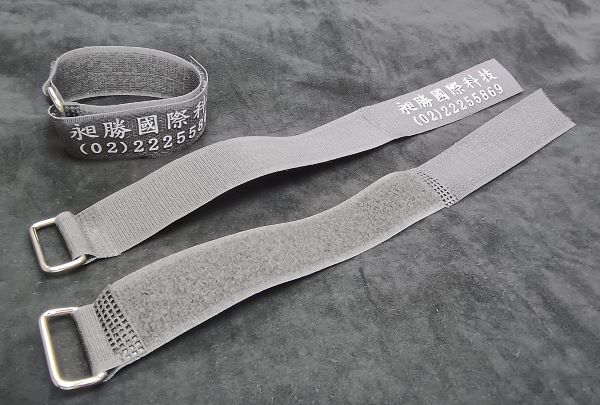
Custom Printed / Logo Hook & Loop |
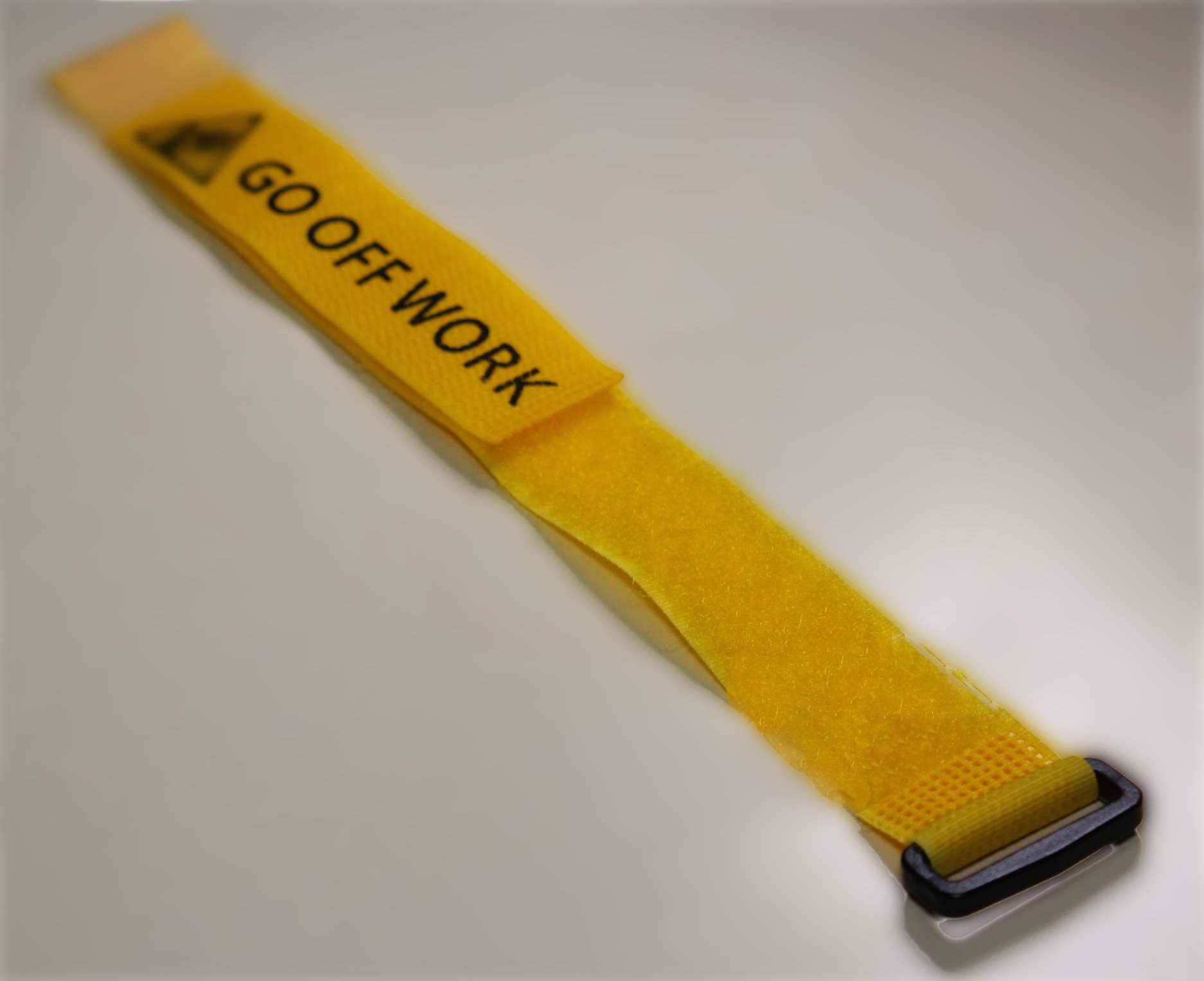
Custom Printed / Logo Hook & Loop |
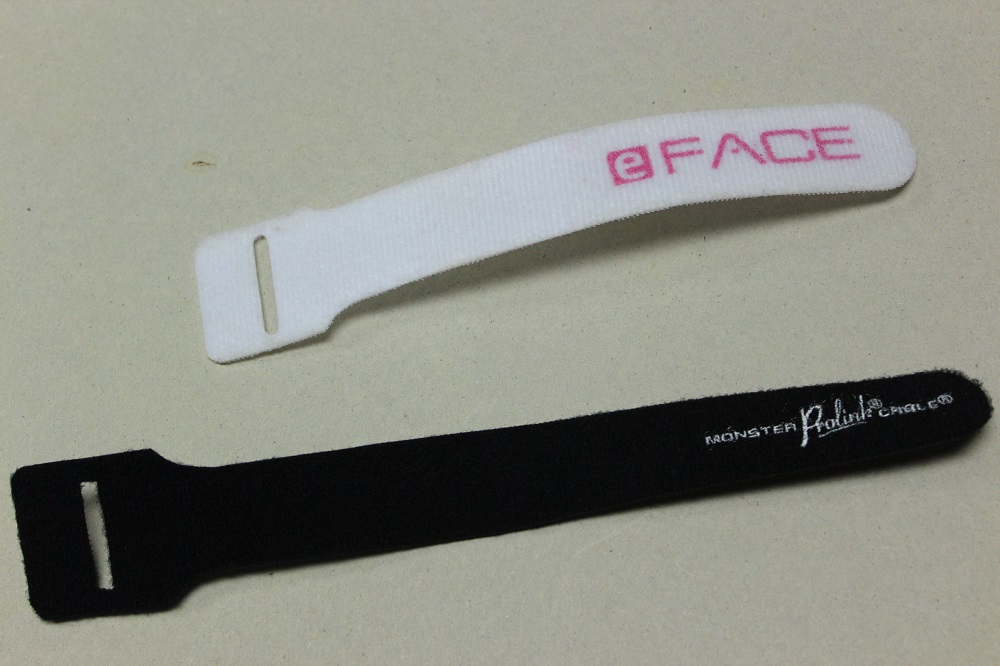
Custom Printed / Logo Hook & Loop |
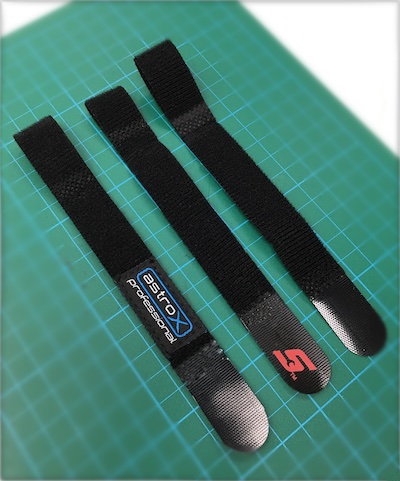
Custom Printed / Logo Hook & Loop |
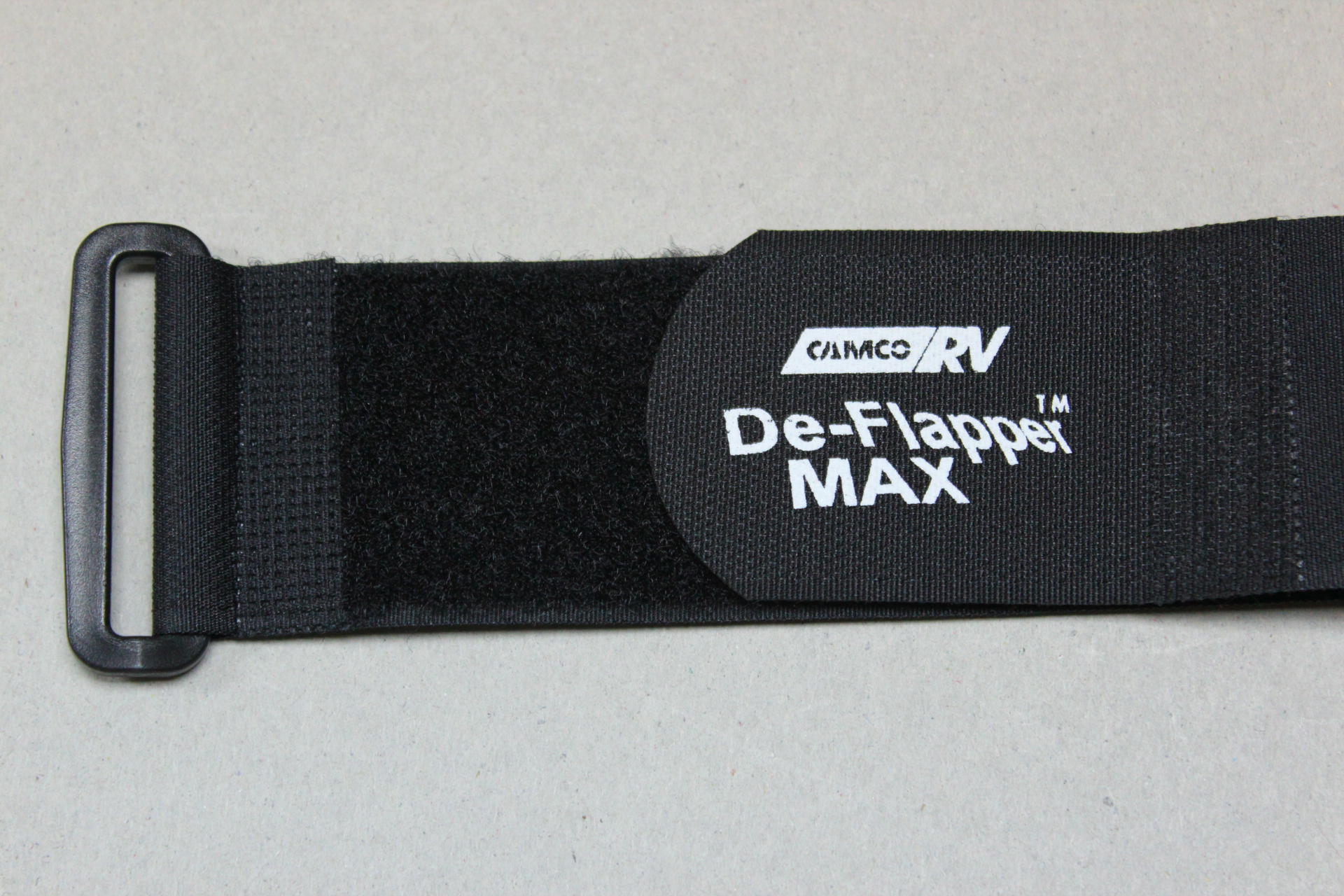
Custom Printed / Logo Hook & Loop |
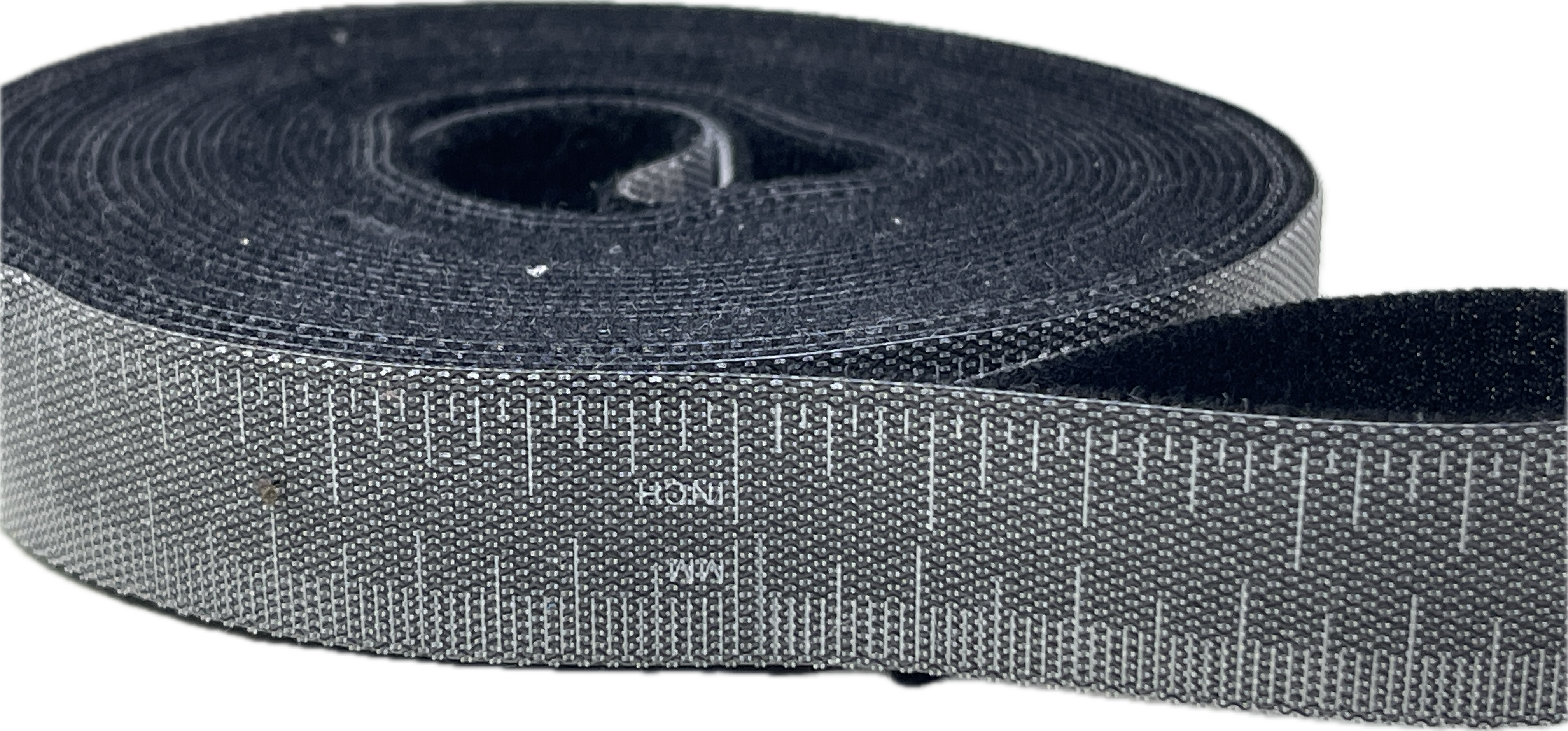
Custom Printed / Logo Hook & Loop |
|
Specification |
|
1. Product Name Custom Printed Hook & Loop Logos, brand names, text, identification codes, symbols, or custom graphics can be added to selected Hook & Loop materials and converted products. The printing method should be selected according to the substrate, surface structure, product format, and end-use requirements. 2. Applicable Hook & Loop Formats Printing can be evaluated for: >> Sew-On Hook & Loop >> Back-to-Back Hook & Loop >> Hook & Loop Cable Ties >> Hook & Loop Straps >> Perforated Hook & Loop Rolls >> Cut / Die-Cut Hook & Loop >> Other converted formats For adhesive-backed constructions, printing location must also consider the adhesive and release-liner configuration. 3. Printable Areas Depending on the construction, printing may be evaluated on: >> Hook face >> Loop face >> Hook reverse side >> Loop reverse side >> Exposed areas of straps or cable ties >> Non-engagement areas >> Other suitable printing zones Because Hook and Loop faces are functional fastening surfaces, print coverage and ink thickness should be evaluated together with closure requirements. 4. Base Material / Surface Construction Common substrates may include Nylon / Polyamide, Polyester, and other suitable Hook & Loop materials. Printability may vary with Hook geometry, Loop pile structure, surface density, base color, thickness, flexibility, and surface treatment. Printing parameters should therefore be matched to the actual substrate. 5. Printing Methods Depending on the material, artwork, print location, and application, available methods may include: >> Screen Printing >> Heat Transfer Printing >> Digital / Inkjet Printing >> Other suitable custom processes Sublimation or related transfer methods may be evaluated for selected Polyester constructions, subject to substrate, base color, and product configuration. No single printing process should be considered universally suitable for all Hook & Loop structures. 6. Printing Configuration by Product Format Print placement should be coordinated with cutting, fastening, folding, sewing, hardware, and final assembly. For cable ties and straps, logos should be positioned where they remain visible in the finished configuration. For cut or die-cut products, artwork should be aligned with the intended cut line and finished orientation. Printing should be planned according to the final assembled and in-use condition, not only the flat material. 7. Perforated Roll — Print Repeat & Perforation Spacing For Perforated Hook & Loop Rolls, the Print Repeat Pitch should be coordinated with the Perforation Spacing. Options may include: >> One logo per perforated segment >> Repeated graphics across multiple segments >> Repeated identification text >> Defined spacing between the artwork and perforation line >> Print orientation matched to tear-off direction Incorrect pitch alignment may cause logos to cross perforation lines, shift between segments, or become incomplete after tearing. Print Repeat, Perforation Pitch, Cut Position, and Finished Segment Length should therefore be confirmed together during sampling. 8. Artwork / Logo / Color Requirements Recommended information includes: >> Artwork file >> Logo size >> Print location >> Orientation >> Single or repeated artwork >> Number of print colors >> Pantone or color reference >> Base tape color >> Repeat length / pitch >> Available print area Vector artwork such as AI, PDF, or EPS is preferred for production setup. Final color appearance may vary with substrate color, surface structure, ink or transfer system, and processing method. 9. Fastening Performance / Print Durability / Washability Printing on functional Hook or Loop surfaces may affect engagement, peel, shear, cycling performance, and surface feel, depending on print coverage, thickness, temperature, and processing conditions. Print durability also depends on the substrate, ink or transfer system, curing conditions, abrasion, laundering, and end-use environment. For repeated washing or high-abrasion applications, the selected print system should be tested on the actual finished product. Some print configurations may not be suitable for frequent laundering or heavy abrasion. 10. Supply Format / Sampling / MOQ / Production Approval Available supply formats include rolls, matched Hook / Loop pairs, cut lengths, perforated rolls, die-cut parts, cable ties, straps, and other custom converted products. Typical MOQ: >> Finished converted products: 2,000 pieces >> Continuous tape / roll printing: 3,000 yards Final MOQ depends on the Hook & Loop substrate, width, color, printing method, number of colors, logo size, print repeat, cutting method, and secondary processing. Special materials, custom colors, or complex conversions may require separate evaluation. Sample approval is recommended before mass production to confirm print position, graphic clarity, color, Hook & Loop fastening performance, cutting or perforation alignment, and the final product configuration. Production should follow the approved sample and confirmed specifications. **Specification Notes** Printing method and location should be selected according to the Hook / Loop surface, substrate, finished format, and end-use conditions. Printing on a functional fastening surface should balance graphic quality with closure performance. For perforated rolls, cable ties, straps, and other converted products, artwork placement should be coordinated with perforation, cutting, sewing, folding, fastening, and assembly positions. Wash, abrasion, or other durability requirements should be verified on the actual finished product where required. Mass production should follow the approved sample, confirmed substrate, printing method, artwork, colors, print position, dimensions, repeat pitch, secondary processing, test requirements, and packing specifications. Fu Jyi Lin reserves the right to adjust product specifications according to product improvements, process optimization, or customer requirements without prior notice. |
|
Asks Description |
|
Frequently Asked Questions 1. Can printing be applied to the Hook face, Loop face, or reverse side? Printing can be evaluated on the Hook face, Loop face, reverse side, or other non-engagement areas, depending on the construction. Because Hook and Loop faces are functional fastening surfaces, ink thickness, coverage, and processing conditions may affect closure performance. Print placement should therefore balance graphic clarity with fastening function. 2. How should screen, heat-transfer, and digital printing be selected? The printing method should be selected according to the substrate, Hook / Loop surface, artwork detail, number of colors, order quantity, product format, and durability requirements. Screen printing is suitable for defined graphics and text, while heat-transfer and digital methods can support more complex artwork. Final suitability depends on the actual material and construction. 3. Can heat-transfer printing be registered to a fixed position? Yes, but precise positioning depends on the printing and registration system. Where a logo must align with a cut line, perforation, sewing position, or finished-product location, suitable registration control is required. Without such control, heat transfer is generally better suited to continuous or repeated graphics rather than high-precision fixed-position printing. 4. Is printed Hook & Loop suitable for laundering? Washability depends on the substrate, ink or transfer system, curing conditions, wash temperature, wash cycles, drying method, and end-use environment. For repeated laundering, the actual printed product should be tested for print appearance, adhesion, and Hook & Loop performance. Some print configurations may not be suitable for frequent washing or heavy abrasion. 5. How should logo placement be planned for perforated rolls, cable ties, and straps? Logo placement should be planned according to the final converted product. For Perforated Hook & Loop Rolls, the Print Repeat Pitch should be coordinated with the Perforation Spacing. Cable ties and straps should also account for cutting, folding, fastening, sewing, and hardware positions. Fixed logo placement should be confirmed during sampling before mass production. |
 |
Fu Jyi Lin Enterprise Co., Ltd. Copyright © 2014 |
| Address: 10071 No.17-1, SHAU ANN St., Zhongzheng Dist., Taipei City 100, Taiwan (R.O.C.)
TEL:886-2-2301-5900 , 886-2-2307-0952 FAX:886-2-2307-5424 , 886-2-2332-6930 E-Mail:info@fujyilin.com.tw |