

 | ||
|
| ||


Ribbons
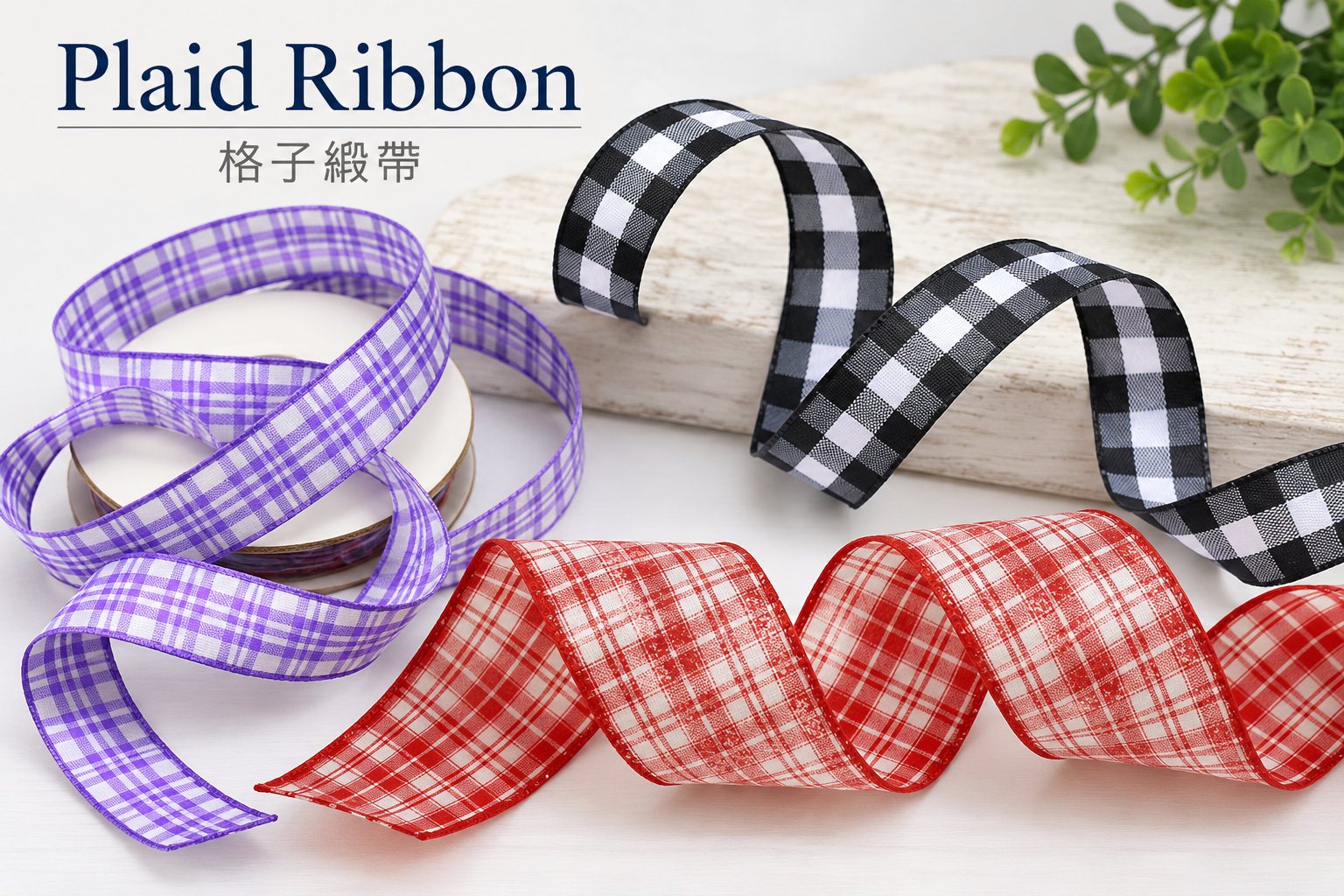
Product Name : Plaid Ribbon
| Description |
| Plaid Ribbon features intersecting lines, colors and proportions that create a distinctive and recognizable pattern. Different plaid scales and color combinations can produce classic, casual, seasonal, vintage or branded styles, making the ribbon an important visual element in packaging and product design. Its design value comes from the balance of color contrast, line proportion and pattern rhythm. From simple gingham checks to more layered plaid or tartan styles, the appearance can be adapted to different brand identities, seasonal themes and product collections. Plaid Ribbon is suitable for designs that require stronger pattern recognition and decorative impact, including branded packaging, bows, seasonal décor, apparel and accessories. Fu Jyi Lin can evaluate custom plaid concepts based on reference artwork, color combinations and end-use requirements. Buyers are encouraged to provide the preferred pattern style, dimensions, colors, estimated quantity and application for evaluation. |
 Features
 |
||
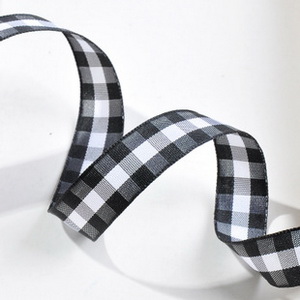
Plaid Ribbon |
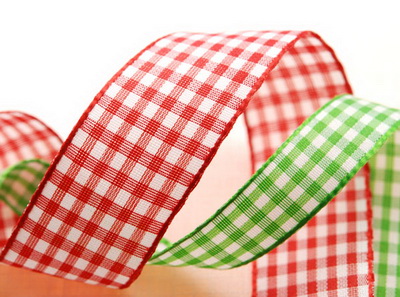
Plaid Ribbon |
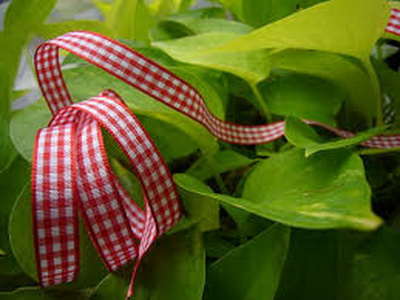
Plaid Ribbon |
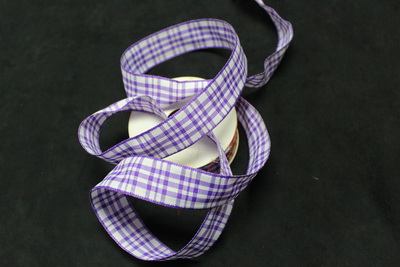
Plaid Ribbon |
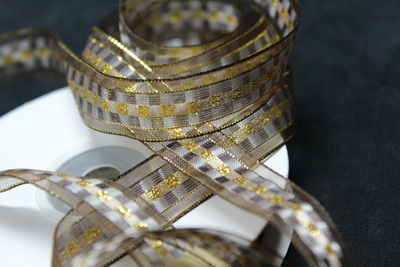
Plaid Ribbon |
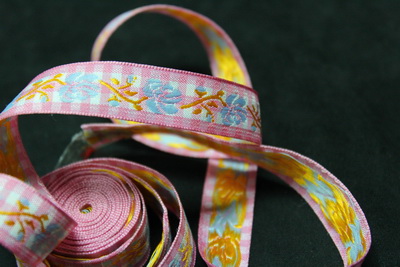
Plaid Ribbon |
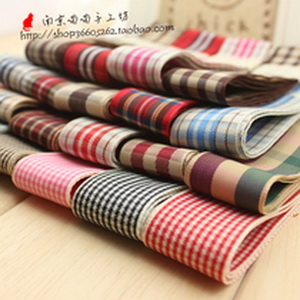
Plaid Ribbon |
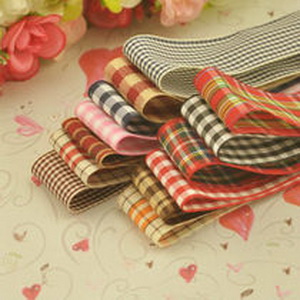
Plaid Ribbon |
|
Specification |
|
**Product Name** Plaid Ribbon **Material & Plaid Construction** Regular material options include **100% Polyester, Polyester + Cotton, Cotton + Polyester Blends, and Polyester + Metallic**. Plaid patterns can be produced in two main ways: **Woven Plaid Ribbon**, where colored yarns are interwoven to form the pattern, and **Printed Plaid Ribbon**, where the plaid design is printed onto a ribbon or fabric base. Final material and construction should be selected according to appearance, hand feel, pattern and end use. **Plaid Design & Surface Appearance** Custom developments may include different plaid scales, color combinations and visual styles such as **Plaid, Tartan, Gingham and Check**. Yarn selection, weaving method, printing process and metallic yarn combinations can influence pattern definition, surface texture and overall decorative appearance. **Width & Production Method** Two main production methods are available: **Narrow Woven** and **Fabric-Cut**. Narrow woven widths are determined by loom configuration, weave structure and production conditions. Fabric-cut styles can be developed in different widths based on the original fabric width and finished requirements, but cutting efficiency and the minimum production quantity from one fabric piece must be considered. Special widths are evaluated according to construction and order requirements. **Colors & Plaid Color Combinations** Multi-color yarns, printed colors and metallic accents can be combined according to the plaid design. Brand colors or special color combinations can be evaluated against **Pantone references or physical color samples**. Final appearance may vary due to yarn material, dye lot, weave construction, printing method and lighting conditions. Sample approval is recommended before mass production. **Edge Construction & Sewing Processing** Common options include **Non-Wired, Wired Edge, Cut & Sewn Edge, Stitched Edge, and Merrow / Overlocked Edge**. Wired Edge improves shaping performance for bows and decorative forms, while Cut & Sewn, Stitched, or Merrow / Overlocked edges can be used for finishing according to the cutting method, appearance and end-use requirements. **Finishing & Packaging** Available options may include **Printing, Metallic Effect, Glitter Finish, Cutting, Fixed-Length Cutting, Bow Forming / Assembly, Labeling, and Custom Packaging**. Standard packing is **50 yd / roll (approximately 45.7 m / roll)**. Smaller rolls, special roll lengths, divided packing or other custom packaging requirements are evaluated and quoted separately. **Minimum Order Quantity (MOQ)** **Narrow Woven** styles start from **3,000 yd (approximately 2,743 m)**. **Fabric-Cut** styles start from **10,000 yd (approximately 9,144 m)**. Final MOQ depends on material, plaid design, color combination, width, wired or non-wired construction, sewing, finishing and packaging requirements. **Applications** Suitable for **gift packaging, branded packaging, bows, floral arrangements, wreaths, weddings and events, Christmas and seasonal decoration, garment trims, hair accessories, home décor, crafts and other decorative applications**. **Specification Notes** The specifications listed on this page represent Fu Jyi Lin's common product configurations and manufacturing capabilities for typical applications. Final materials, plaid construction, widths, color combinations, edge construction, sewing methods, finishing, roll lengths, packaging, MOQ and other technical requirements should be confirmed according to each customer's project specifications and approved samples. The final scale, line definition and color appearance of Plaid, Tartan, Gingham and other check patterns may vary depending on material, yarn size, weave density, printing method and finished width. Pantone references and physical color samples are primarily used as guides for color communication. For projects with specific brand colors, plaid proportions or surface requirements, sample approval is recommended before mass production. Fabric-Cut products are subject to the original fabric width, cutting method and minimum production quantity obtainable from one fabric piece. Special widths, Wired Edge, sewn edge finishing, Metallic or Glitter effects, pre-made bows, custom roll lengths and packaging requirements are evaluated on a project basis. Providing complete information on material, width, plaid design, colors, estimated quantity, processing requirements and end-use application will help Fu Jyi Lin evaluate feasibility and prepare a more accurate quotation. **Fu Jyi Lin reserves the right to adjust product specifications when necessary.** |
|
Asks Description |
|
Frequently Asked Questions (FAQ) 1. What is the difference between Plaid, Tartan and Gingham patterns? Plaid is a broad term covering many check patterns with different line arrangements, proportions and color combinations. Tartan usually features more layered, multi-color intersecting lines, while Gingham typically uses a simpler and more regular two-color check. The most suitable pattern depends on brand style, seasonal theme, packaging design and product positioning. 2. How should buyers choose between Woven Plaid Ribbon and Printed Plaid Ribbon? Woven Plaid Ribbon uses colored yarns to create the pattern directly within the ribbon structure, giving greater emphasis to textile texture and woven appearance. Printed Plaid Ribbon applies the design to the ribbon or fabric surface and generally offers more flexibility for detailed patterns, specific proportions and multi-color graphics. Selection should be based on appearance, hand feel, design detail, quantity and end use. 3. Should I choose Narrow Woven Plaid Ribbon or Fabric-Cut Plaid Ribbon? What is the difference? Narrow Woven Plaid Ribbon is woven directly to the required width, allowing the plaid pattern, ribbon body and edges to be formed as one construction. It is suitable for consistent narrow-width production, although width is limited by loom and weave settings. Fabric-Cut Plaid Ribbon is cut from wider plaid fabric and offers more flexibility for wider sizes or specific fabric appearances, but cutting efficiency, edge finishing and minimum production quantity must be considered. Fu Jyi Lin's MOQ starts from 3,000 yd for Narrow Woven and 10,000 yd for Fabric-Cut styles. 4. Why is sample approval recommended before mass production? The final appearance of Plaid Ribbon depends on more than color. Plaid scale, line proportion, finished width, woven or printed construction, edge treatment and finishing can all affect the result. Sampling helps confirm pattern alignment, color balance, width, Wired Edge, sewn finishing, Metallic or Glitter effects, hand feel and overall appearance before mass production. 5. How should Plaid Ribbon be selected for different applications? Branded and gift packaging may prioritize plaid style, brand colors, width and visual consistency. Bows, floral arrangements and wreaths may benefit from Wired Edge and wider constructions for better shaping. Garment trims and hair accessories often require suitable hand feel, weight and non-wired structures, while home décor and crafts may use wider widths, sewn edges or additional finishing. Buyers should provide reference artwork, pattern style, width, colors, construction, edge requirements, estimated quantity and end-use application. |
 |
Fu Jyi Lin Enterprise Co., Ltd. Copyright © 2014 |
| Address: 10071 No.17-1, SHAU ANN St., Zhongzheng Dist., Taipei City 100, Taiwan (R.O.C.)
TEL:886-2-2301-5900 , 886-2-2307-0952 FAX:886-2-2307-5424 , 886-2-2332-6930 E-Mail:info@fujyilin.com.tw |